15 Shocking Facts About Fascias Soffits And Guttering You've Never Known
The Importance of Fascias and Soffits and Guttering Fascias, soffits and various roofline components are vital. They keep pests and water away from the walls of the house and roof as well as preventing dampness. These boards are made out of aluminium, wood or uPVC and are designed to withstand the extreme weather conditions. They can be vented to help in regulating airflow and reduce humidity in the home. Guttering Guttering is an essential part of any roofline. It serves many functions, including supplying drainage for rainwater, and also preventing damage to the home's exterior and interior. Gutters also serve to protect fascia and soffits from rot, mold, and other issues. If you're looking to install or replace your guttering, you should be aware of the benefits and significance of these features. Soffits are vertical boards that are placed beneath a roof. They typically comprised of uPVC or aluminum. They are essential for protecting the edges of a building's roof and ensuring that the roof's bottom row of tiles is secured to the rafters. They are also useful for providing ventilation and ensuring that water does not get into the roof structure. Fascia boards are long, straight and flat pieces of timber or uPVC that run across the lower portion of the roofline. They are fixed to the ends of roof trusses or rafter tails and work with soffit boards in order to support the roof's bottom row of tiles as well as the guttering system. A fascia board is also used to cover any unsightly holes in the roofline, and also to give the exterior of the building an attractive appearance. They can be stained or painted to create a particular style or look. 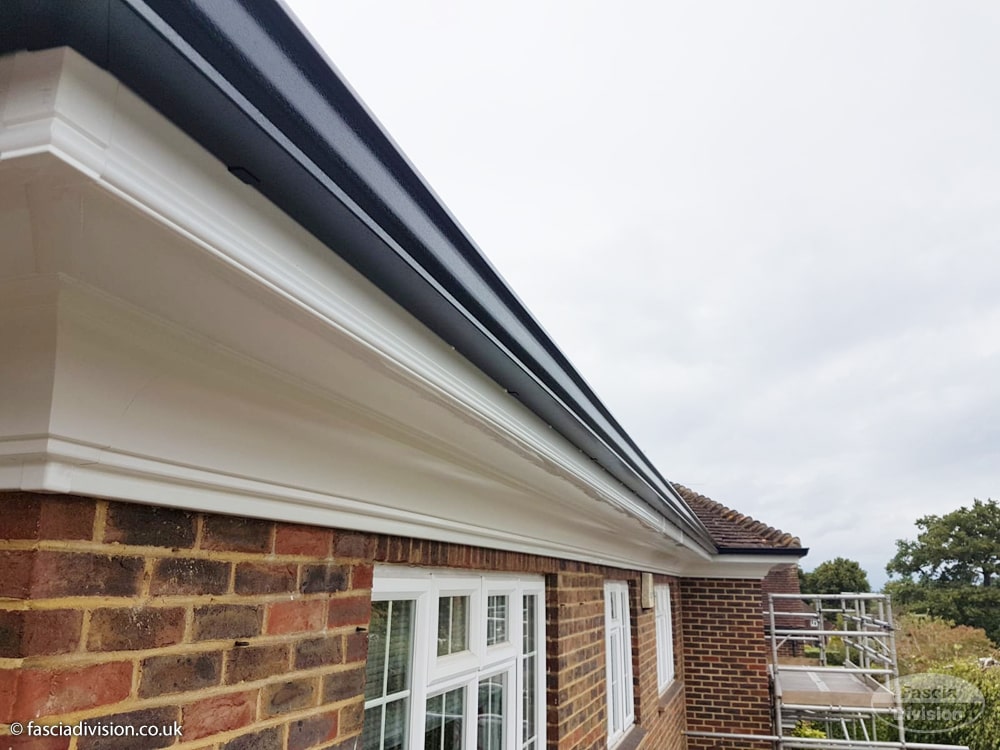 The most popular type of fascia is uPVC which is tough and requires minimal maintenance. It is resistant to weathering and rot and is easily cleaned using water and soap. It is available in a variety of styles and colors so you can match it to the other elements of your exterior. Wood fascia is another great alternative for those who prefer a traditional style. It requires regular maintenance by sealing and painting. Downspouts A gutter system that has downspouts can be a great option to shield your home from water damage and to maintain the appearance of your roofline. It can control the amount of water that flows into your structure and also assist in preventing dampness in basements and attics. In addition it will ensure proper drainage and ventilation of the roofspace. Downspouts are located at the bottom of the fascia. They may be placed to be a distance away from the building or towards it. They could also have a downpipe that drains the water directly into the guttering or on the ground. Idealy, downspouts are placed 30 to 40 feet from the structure. This will ensure that the water discharged is not too far from your home to prevent costly damage to the structure landscaping erosion, as well as damage to the interior. The recommended distance is even greater if there are many trees or other plants in the vicinity that are susceptible to drop branches or leaves during rainstorms. Fascia boards are erected to support the lower edge of the roof tiles or shingles to give a neat, uniform appearance along the roofline. They are typically made from aluminum, wood, or uPVC and are available in a variety of finishes and colors. If you notice that any of the soffit or fascia sections are peeling or flaking, it is crucial to get them fixed as soon as you can to avoid further damage and costly repairs. If you're not able to make repairs yourself, you'll need to hire an experienced professional. A technician with the right abilities will be able to repair the damaged areas, remove debris and ensure your roofline is waterproof and properly ventilated. The soffit and fascia boards are ornamental, in addition to their practical use, will increase the value your home. They can give your home a an elegant, polished appearance that will impress real estate agents and potential buyers. Your new fascia and soffits will also protect your roof and walls from water damage. Moreover, they will protect your home from pests. Bargeboards Bargeboards, also known as boards at the gable ends of roofs, can make or break the appearance of the roofing of a home. They are designed to keep your roof's liner dry and to avoid gaps around the edges. However, they also add a unique look to the roofline of your home. Bargeboards are available in a variety of styles, from traditional wooden ones to the modern uPVC ones. Each material has its own advantages and drawbacks. Wood is a popular choice for homeowners because it's lightweight yet durable. It's important to keep in mind that wooden bargeboards need regular maintenance that includes staining and painting. It is also possible that these parts will require replacement over time due to age and wear. If you're looking for a stronger alternative, uPVC bargeboards might be the best option for your home. Contrary to wooden boards that can are prone to rot and must be painted, uPVC does not. These boards can last up to 40+ years, depending on the brand. uPVC boards will change color in time, particularly if they are exposed to sunlight. Another advantage of uPVC bargeboards is that they are simple to maintain and come in a variety of colours. They can assist you in matching them with your cladding and other exterior trim. They cost more, but they're less expensive than other types. It is important to match your bargeboards with the rest of your roofline such as soffits, fascias and guttering is essential. This will ensure that your roofline is in good condition and looking its best. You should also repair your bargeboards with professionals as they may impact the structural integrity of your roof. While the majority of bargeboards can be easily installed, it is recommended to talk to a roofing expert before you decide to replace them. In general, a professional will take the necessary measurements to ensure that your new bargeboards will be a good fit. They will also make sure that the roof timbers are in good working order prior to installing any new elements. They will also take into consideration other elements that could impact the roofline of your home. Fascia The fascia is a bit of trim that covers the rough edges of the roof rafters, cavities and trusses. It shields the rafters from rain and serves as a base to fix guttering. Fascia is available in range of materials such as PVC and wood. Wood is a classic option, but it can be time-consuming to maintain, whereas PVC provides a long-lasting, sturdy option to combat the British weather. browse around these guys can be seen from the ground, so it's essential to choose the colour that matches your home's exterior and enhances curb appeal. The good thing is that soffits and fascias are available in a wide variety of colors and styles, so you're bound to find something to suit your home. Regular cleaning and inspections are required to prolong the lifespan of your fascias, gutters, and soffits. If you are not confident about performing this task, consult a professional roofing contractor for guidance. It's also worth looking for signs of a pest infestation or rot, since these are indicators that the structure isn't properly secured and could cause damage to your roof and gutters. If you notice any problems with your fascias, it is essential to address them promptly before the issue gets worse. The right soffit and fascia can protect your property from structural damage, and improve the overall look of your home. If properly maintained they'll last for many years and may even boost the value of your home. If your soffits or fascias aren't maintained properly, they'll begin to fade and cause costly repair costs and a lower property value. Follow the tips in this blog to keep your soffit fascias.